

Neurochemical Imbalance
Disruption in serotonin, dopamine and norepinephrine signaling alters mood, motivation, sleep and the ability to focus or feel pleasure.

Non-invasive TMS therapy as a cognitive wellness alternative to medication.

An evidence-informed cognitive wellness option
Depression, anxiety and brain fog often travel together. You feel flat, your thoughts move slowly, sleep gets erratic, and small decisions feel heavy. According to the National Institute of Mental Health, depression affects more than 21 million U.S. adults each year, and anxiety disorders affect another 40 million. Many people also describe a persistent mental haze, slow recall, and difficulty focusing that lingers even after mood improves.
At ProActive Chiropractic and Wellness Center in Tampa, Dr. Jamie Brimm offers TMS therapy with Exomind in Tampa as a non-invasive cognitive wellness option for adults who want an alternative or complement to medication. Exomind uses targeted magnetic pulses to stimulate prefrontal cortex activity associated with mood and cognition. It is offered alongside our broader wellness treatments at ProActive, not as a substitute for psychiatric care.
Important safety note: Dr. Brimm is a Doctor of Chiropractic, not a psychiatrist. Severe depression, suicidal thoughts, or psychiatric crisis require immediate care from a licensed mental health professional or emergency services. If you are in crisis, call or text the 988 Suicide and Crisis Lifeline at 988 or visit 988lifeline.org.

Understanding the Root Causes
Depression, anxiety and brain fog share overlapping biology. Neurotransmitters like serotonin, dopamine and norepinephrine regulate mood, motivation and focus. When these chemical messengers fall out of balance, often through prolonged stress, sleep disruption or hormonal shifts, the brain's circuits for emotional regulation and attention can lose efficiency. The National Institute of Mental Health describes depression as the result of complex interactions between genetic, biological, environmental and psychological factors.
Chronic stress elevates cortisol, which over time shrinks activity in the prefrontal cortex (the region responsible for clear thinking and decision making) and increases activity in the amygdala (the brain's threat center). The result is a brain that feels both wired and tired: anxious, foggy, and unable to settle. TMS therapy with Exomind in Tampa targets this prefrontal region directly using FDA-cleared magnetic stimulation technology.
Inflammation also plays a role. Emerging research links neuroinflammation, gut dysbiosis and poor sleep to persistent low mood and brain fog. That is why a whole-body approach (rest, nutrition, movement, and nervous system regulation) often matters alongside any direct brain therapy.

How Targeted Stimulation Supports Mood and Focus
Transcranial magnetic stimulation (TMS) uses brief, focused magnetic pulses delivered through a coil placed near the scalp. These pulses pass painlessly through the skull and gently stimulate neurons in a specific area of the brain. For depression and cognitive wellness, the target is typically the left dorsolateral prefrontal cortex, a region that tends to be underactive in people experiencing low mood, anxiety and slowed thinking.
Repeated stimulation over a series of sessions appears to help re-establish healthier patterns of activity between mood and attention circuits. The U.S. Food and Drug Administration first cleared TMS for treatment-resistant depression in 2008, and clinical use has expanded across mood, anxiety and cognitive applications since.
Exomind at ProActive is offered as a cognitive wellness therapy. It is not a replacement for psychiatric evaluation or medication management for major depressive disorder, severe anxiety or any psychiatric emergency. For appropriate cases, however, it can be a useful adjunct alongside therapy, lifestyle changes and routine mental health care.
If you have ever felt frustrated with side effects from antidepressants, plateaued on talk therapy, or wished for a non-pharmaceutical option to support focus and mood, this kind of wellness treatment at ProActive may be worth exploring with your care team.
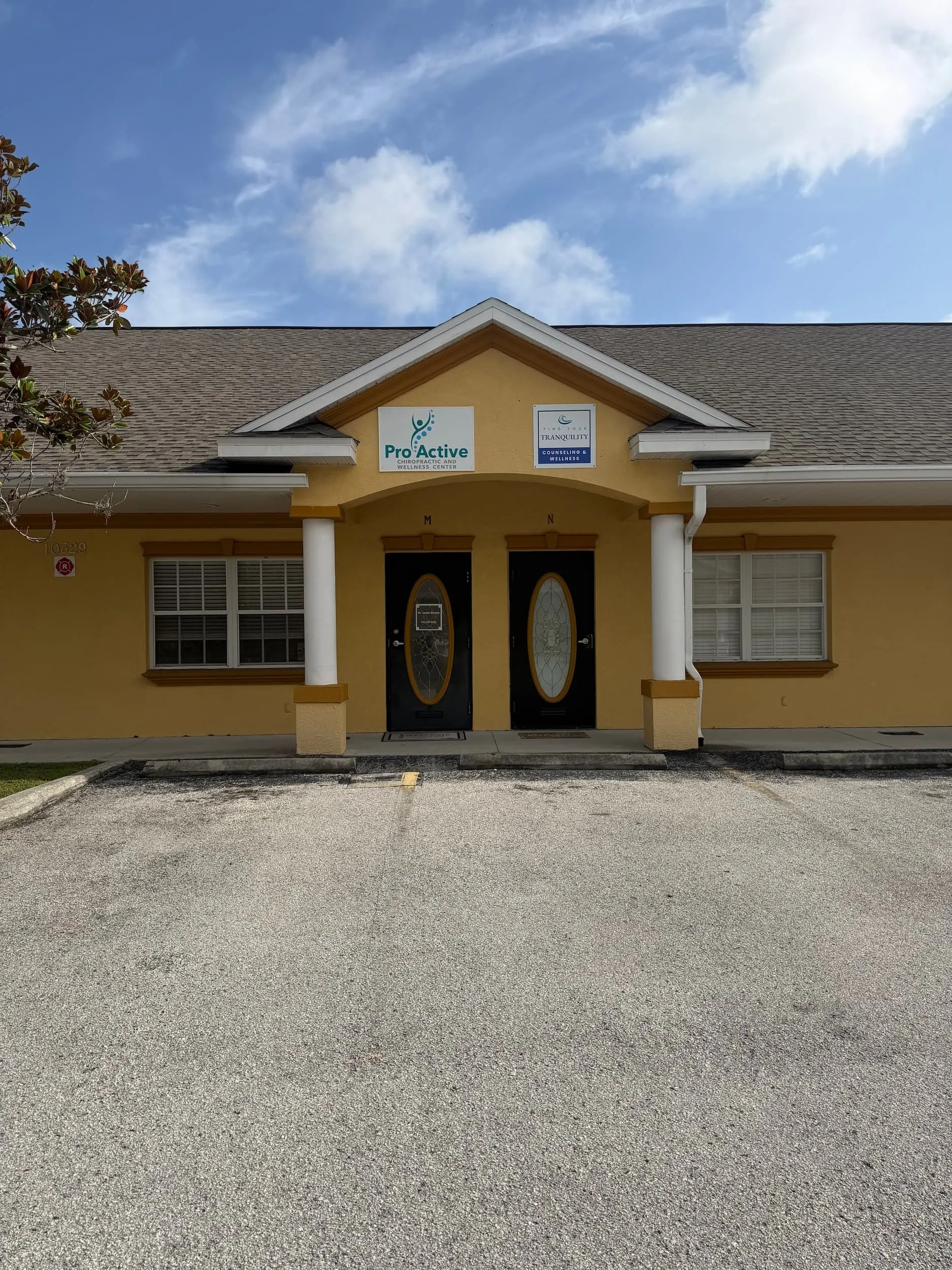
Whole-Person Wellness in Tampa
Finding Your Best Approach
| Treatment | Best For | Session Time | Results Timeline | Maintenance |
|---|---|---|---|---|
| TMS Therapy with Exomind | Low mood, anxiety, brain fog as a non-drug adjunct | 20 minutes | 4 to 6 weeks | Periodic booster sessions |

Recognizing When to Seek Help
Explore the chiropractic and wellness services at ProActive that complement your care.
About Depression, Anxiety and Brain Fog
TMS therapy is FDA-cleared for treatment-resistant depression and is widely used as a non-invasive option in psychiatric settings. At ProActive, Exomind is offered as a cognitive wellness therapy that may support mood alongside your existing mental health care. It is not a substitute for psychiatric evaluation or medication when those are clinically needed.
Many patients experiencing anxiety symptoms alongside low mood report feeling calmer and more focused after a TMS series, and research continues to expand into anxious depression specifically. Exomind targets prefrontal regions tied to both emotional regulation and attention, which is why some people notice less worry and clearer thinking together.
Exomind is a non-invasive transcranial magnetic stimulation device that delivers targeted magnetic pulses to the prefrontal cortex. Sessions are typically around 20 minutes, performed in-office while you sit comfortably, and require no anesthesia, sedation or downtime. It is offered at ProActive as a cognitive wellness option for adults.
Antidepressants work systemically by altering neurotransmitter levels throughout the body, which can cause side effects like weight gain, fatigue, sexual dysfunction or emotional flattening. TMS works locally, stimulating a specific brain region directly with magnetic pulses, so it generally avoids those systemic side effects. The two are not mutually exclusive and can be used together under appropriate medical supervision.
Standard TMS protocols typically involve a series of sessions over several weeks. At ProActive, Dr. Brimm will outline an individualized Exomind plan after your consultation, often involving multiple sessions per week for a defined period, followed by periodic booster sessions as needed.
No. Dr. Brimm is a Doctor of Chiropractic, not a psychiatrist or medical doctor. Exomind at ProActive is a cognitive wellness therapy, not a treatment for severe psychiatric illness. If you experience severe depression, suicidal thoughts or crisis symptoms, contact a mental health professional or call or text 988 for the Suicide and Crisis Lifeline.