

Herniated Lumbar Disc
A bulging or ruptured disc in the lower back presses on a nerve root and is the most common cause of true sciatica.

Find Lasting Relief From Sciatic Nerve Pain

Recognizing the Signs
Sciatica refers to pain that radiates along the path of the sciatic nerve, which branches from your lower back through your hips and buttocks and down each leg. The condition typically affects only one side of the body and is most often caused by irritation or compression of a nerve root in the lumbar spine.
When you feel a sharp, shooting, or burning pain travelling from your lower back into your buttock or leg, you are experiencing the hallmark presentation of sciatica. Many patients describe the sensation as electric, deep, or tingling, and it can become worse when sitting for long periods, coughing, sneezing, or twisting.
Sciatica affects up to 40 percent of adults at some point in life, and most cases respond well to conservative care like chiropractic adjustment with ProAdjuster in Tampa without medication or surgery.

Understanding the Root Causes
The sciatic nerve is the longest and thickest nerve in the body, formed from the L4 through S3 nerve roots. When one of these roots is mechanically pinched, chemically irritated, or inflamed, the pain signal travels down the entire length of the nerve. Compression most often originates from a herniated lumbar disc, a bone spur, or narrowing of the spinal canal known as stenosis.
Inflammation plays a central role. When a disc bulges and contacts a nerve root, the body releases inflammatory mediators that sensitize the nerve and produce the burning, shooting quality patients describe. According to the National Institute of Arthritis and Musculoskeletal and Skin Diseases, lumbar disc problems are among the most common spine-related causes of nerve pain in adults aged 30 to 60.
Lifestyle factors compound the mechanical problem. Prolonged sitting, poor lifting mechanics, weak core support, and tight piriformis muscles all increase pressure on the lumbar discs and surrounding tissues. Gentle, restorative care such as chiropractic care at ProActive addresses both the mechanical compression and the inflammatory cycle that keeps sciatica flaring.

How Muscle Tension Mimics Nerve Compression
Not every case of sciatic pain originates in the spine. The sciatic nerve passes directly beneath, and sometimes through, the piriformis muscle deep in the buttock. When this small muscle becomes tight or spastic, it can entrap the nerve and produce symptoms that feel identical to disc-related sciatica.
Piriformis-driven sciatica is common in patients who sit for long workdays, drive long distances, or carry a wallet in a back pocket. The chronic compression keeps the muscle shortened and irritated, and the resulting nerve sensitization can persist for months without targeted soft tissue release.
Because piriformis tension and lumbar nerve compression can coexist, accurate diagnosis matters. Pairing gentle spinal correction with myofascial release therapy for piriformis tension often resolves cases that have not responded to medication or stretching alone.
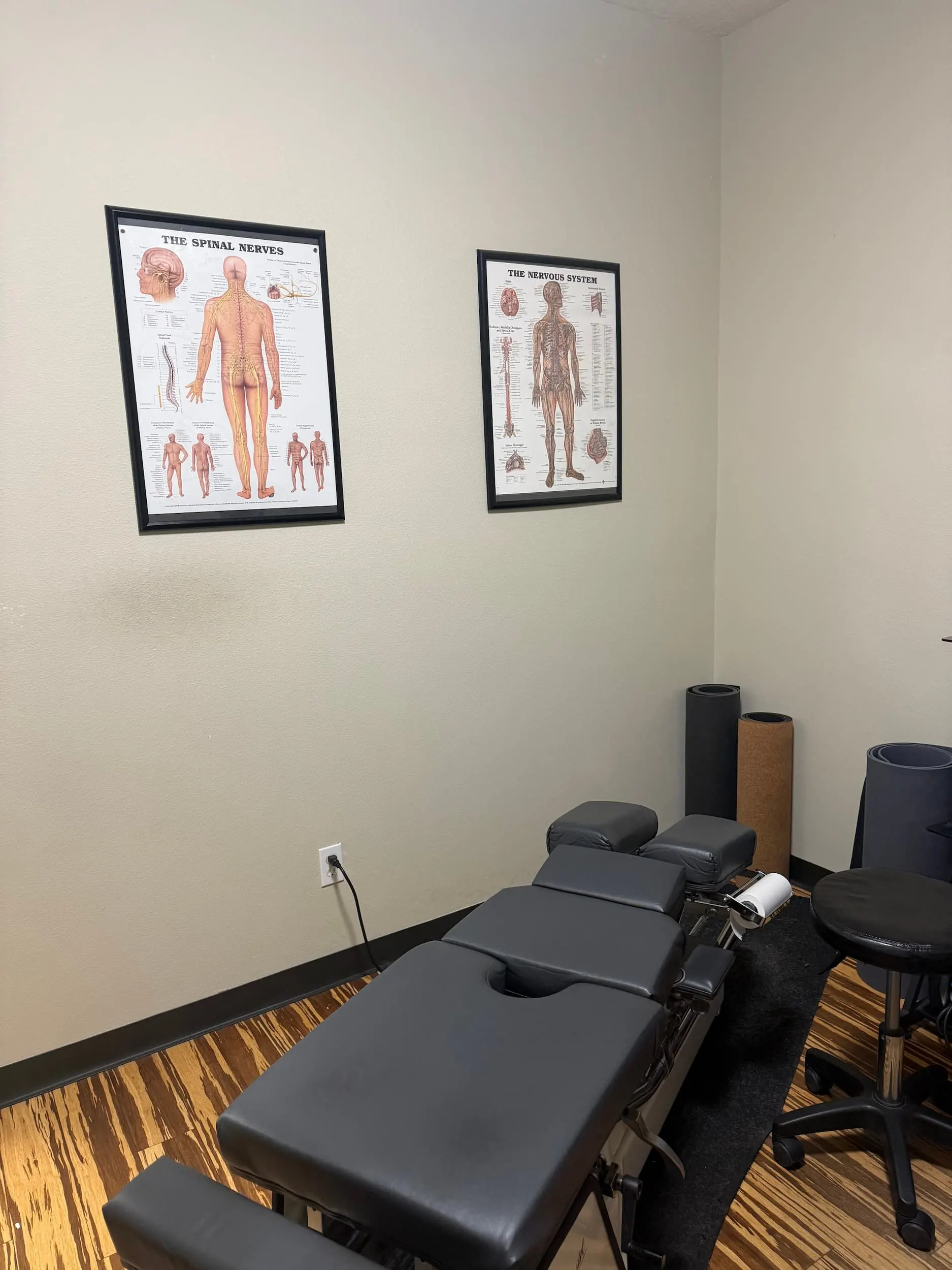
Expert Care in Tampa
Finding Your Best Approach
| Treatment | Best For | Session Time | Results Timeline | Maintenance |
|---|---|---|---|---|
| Chiropractic Adjustment with ProAdjuster | Disc and joint-driven sciatica | 15-30 min | 2-6 weeks | Periodic visits |
| Myofascial Release Therapy with Rapid Release Technology | Piriformis and soft tissue tension | 15-20 min | 2-4 weeks | As needed |
| Standard Process Nutritional Supplements | Inflammation support | Daily routine | 4-8 weeks | Ongoing |

Recognizing When to Seek Help
Explore the chiropractic and wellness services at ProActive that complement your care.
About Sciatica
Sciatica is pain, numbness, or tingling that follows the path of the sciatic nerve from the lower back through the buttock and down one leg. It is a symptom of an underlying issue, most commonly a herniated lumbar disc, piriformis tightness, or spinal stenosis irritating the nerve root.
In most cases, yes. Chiropractic care addresses the mechanical compression and joint dysfunction that produce sciatic symptoms. Many patients see meaningful improvement within a few weeks of consistent care, especially when adjustments are paired with soft tissue release and corrective home exercises.
Sciatica response varies, but many patients notice early improvement within 3 to 6 visits and complete a typical care plan within 6 to 12 weeks. Dr. Brimm builds an individualized plan based on the cause of your sciatica, your symptom severity, and your response to the first few visits.
The most common causes are herniated lumbar discs, piriformis syndrome, spinal stenosis, and lumbar joint misalignment. Prolonged sitting, sudden lifting, and weak core support frequently contribute. Accurate diagnosis matters because the right care plan depends on whether the source is disc, joint, or muscle-driven.
Yes. The ProAdjuster delivers a precise, low-force correction without rotation, which is especially useful for inflamed sciatic patients who cannot tolerate traditional manual adjustments. Many patients find the gentle, computer-guided input far more comfortable during an active sciatic flare.
Schedule a visit if leg pain lasts more than a few days, worsens, or is accompanied by numbness or weakness. Seek urgent care for sudden loss of bowel or bladder control or rapidly progressing leg weakness, which can signal a serious nerve issue.