
Cervical Misalignment
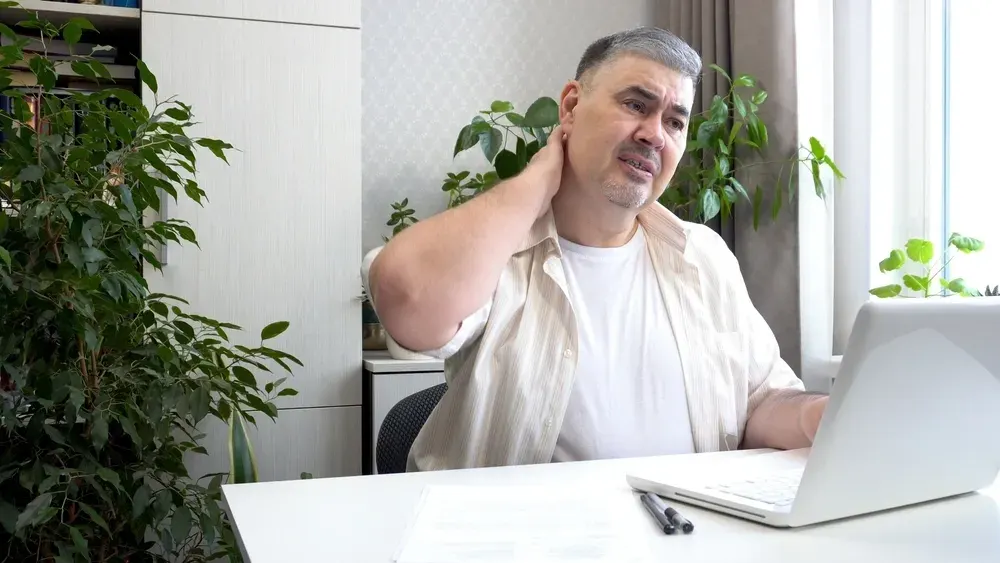
Restricted or misaligned vertebrae in the upper neck irritate joint receptors and the trigeminocervical pathway, referring pain into the head.

Relief Through Root-Cause Care
Recognizing the Signs
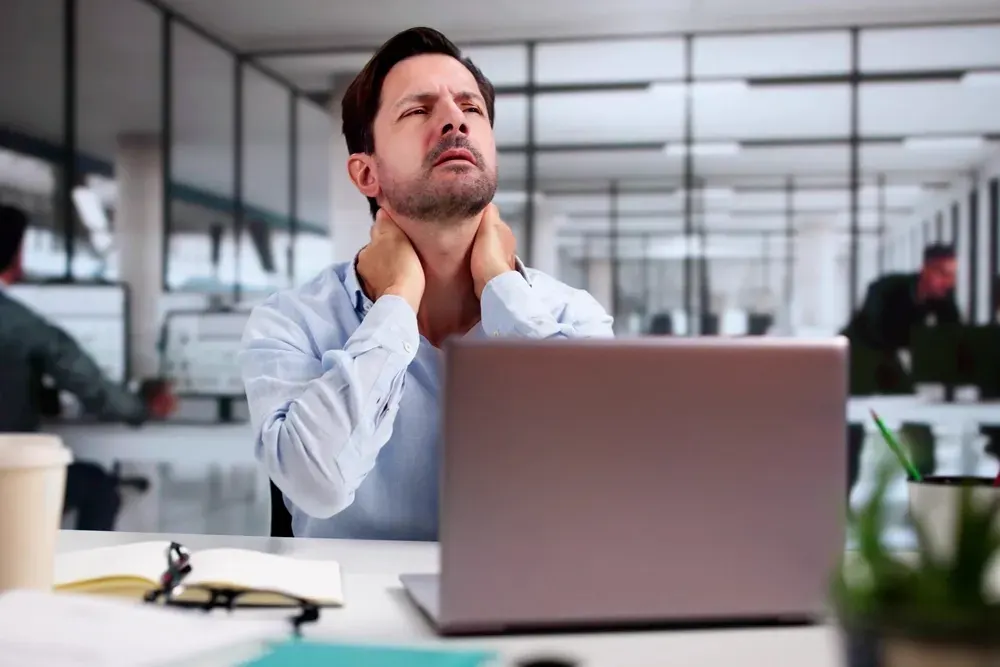
Neck pain and headaches frequently travel together because the cervical spine, the seven vertebrae that support your head, shares nerve pathways with the structures that generate many headache patterns. When the upper cervical joints are restricted, irritated, or misaligned, the trigeminocervical nucleus relays that input into pain referred up into the skull, behind the eyes, and across the temples.
When you wake with a stiff neck that becomes a dull ache by mid-morning, or you finish a long workday with tension creeping from the base of your skull into a band around your forehead, you are often experiencing cervicogenic and tension-type headaches. These are not random: they are signals from the joints, muscles, and nerves of your neck.
Many patients in Tampa describe months or years of over-the-counter pain relievers, heating pads, and shoulder rubs that only blunt the symptoms. At ProActive Chiropractic and Wellness Center, we look upstream at the cervical spine so the pain does not keep returning.
Understanding the Root Causes
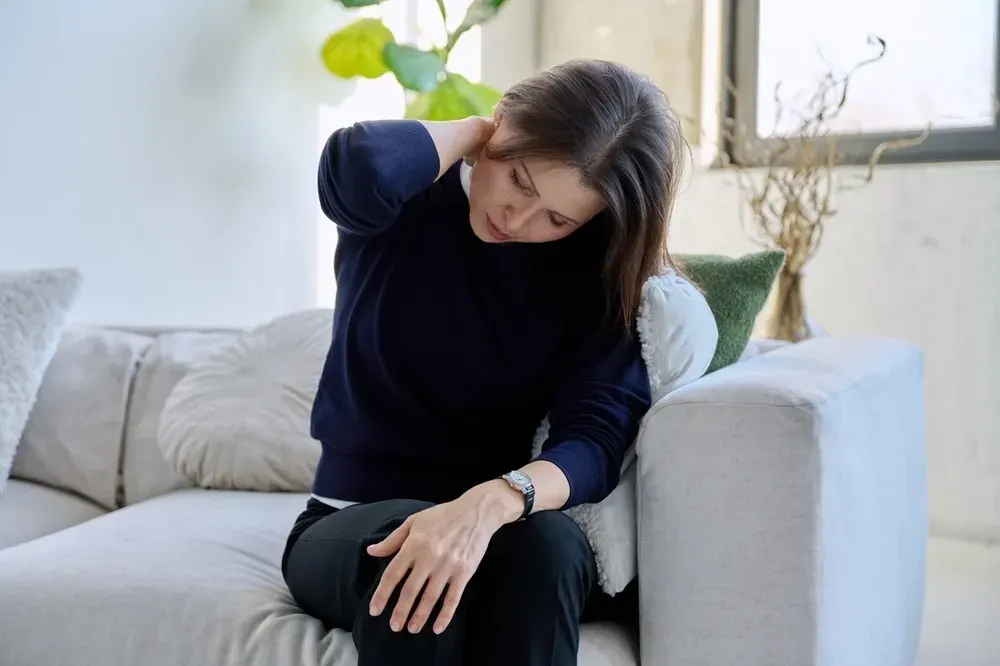
The upper cervical spine, particularly the C1, C2, and C3 vertebrae, shares sensory input with the trigeminal nerve through the trigeminocervical nucleus. When joints in this region lose normal motion or become inflamed, pain signals are referred into the head, producing what neurologists call cervicogenic headache. The National Institute of Neurological Disorders and Stroke recognizes cervicogenic and tension-type headaches as two of the most common secondary headache patterns in adults.
Sustained forward head posture multiplies the load on the cervical extensors. For every inch the head drifts forward of the shoulders, the muscles at the base of the skull carry roughly an additional ten pounds of effective load. Over time, those muscles fatigue, develop trigger points, and pull on the occipital attachments where many headaches begin.
The American Chiropractic Association notes that conservative care addressing cervical joint motion and surrounding soft tissue can reduce both the frequency and intensity of these headaches, often without medication. Our ProAdjuster chiropractic adjustment for neck pain and headaches targets the specific cervical segments contributing to your symptoms.

How the Neck Drives Head Pain
Cervicogenic headache is a referred pain pattern. It typically starts at the base of the skull or one side of the upper neck and spreads forward toward the temple, behind the eye, or across the forehead on the same side. Movement of the neck, sustained postures, or pressure on the upper cervical joints can reproduce it. Unlike migraine, it is usually one sided, mechanical, and not strongly associated with nausea or light sensitivity.
Tension-type headache, the most common primary headache pattern, often coexists with cervical dysfunction. Sustained contraction of the upper trapezius, suboccipital, and posterior cervical muscles creates a dull, pressing band of pain on both sides of the head. Trigger points in these muscles refer pain in predictable patterns into the temples, forehead, and around the ears.
Because both patterns share the cervical spine as a common driver, soft-tissue work paired with adjustment is often more effective than either alone. We frequently combine the ProAdjuster with myofascial release therapy for cervical muscle tension in the same visit to address joint restriction and muscle guarding together.
Expert Care in Tampa
Finding Your Best Approach
| Treatment | Best For | Session Time | Results Timeline | Maintenance |
|---|---|---|---|---|
| Chiropractic Adjustment with ProAdjuster | Cervical misalignment and joint restriction | 20-30 min | Often within 2-4 visits | As needed |
| Myofascial Release Therapy with Rapid Release Technology | Suboccipital and trapezius trigger points | 15-20 min | Same-session relief | Weekly or biweekly |
| Standard Process Nutritional Supplements | Inflammation and stress support | Daily routine | 2-6 weeks | Ongoing |

Recognizing When to Seek Help
Explore the chiropractic and wellness services at ProActive that complement your care.
About Neck Pain and Headaches
Chiropractic care addresses the joint restriction, muscle tension, and postural patterns that drive most mechanical neck pain. At ProActive, Dr. Brimm uses the ProAdjuster to deliver low-force corrections to specific cervical segments, and many patients report meaningful relief within 2 to 4 visits.
Yes, particularly cervicogenic and tension-type headaches that originate from the cervical spine and surrounding muscles. Clinical research supports spinal manipulation and soft-tissue therapy as effective options for these patterns. We typically combine adjustment with Rapid Release myofascial work for the suboccipital muscles.
Cervicogenic headaches are caused by dysfunction in the upper cervical joints, discs, or muscles that refer pain into the head through the trigeminocervical pathway. Common contributors include forward head posture, prior whiplash, sustained desk work, and chronic stress that elevates baseline muscle tone.
Most patients with uncomplicated neck pain and headaches notice measurable progress within 2 to 4 ProAdjuster sessions. A typical initial care plan runs 4 to 8 visits over several weeks, with frequency tapering as symptoms improve. Chronic or post-accident cases may require longer care.
If your headache starts at the base of the skull, is worse on one side, increases with neck movement, or follows long hours of sitting, the cervical spine is often involved. A clinical exam at ProActive can distinguish cervicogenic and tension-type patterns from migraine and other causes.
The ProAdjuster delivers small, computer-guided impulses rather than manual high-velocity manipulation. Most patients describe the sensation as a gentle tap. It is well tolerated by patients who are anxious about traditional adjusting, including those with osteoporosis concerns or post-accident sensitivity.