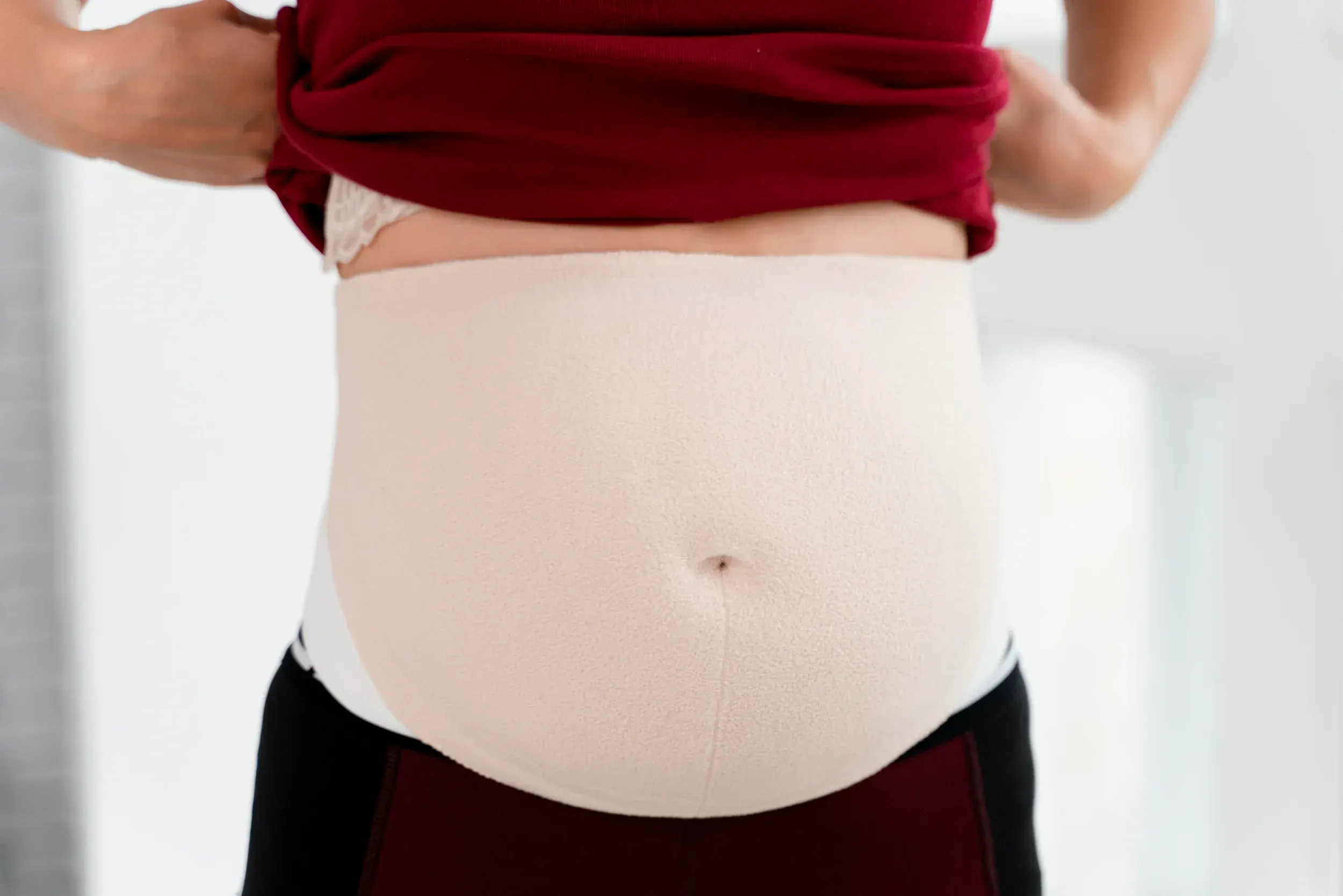
Pregnancy Abdominal Stretching
The expanding uterus and pregnancy hormones soften and stretch the linea alba, separating the rectus abdominis.

Non-surgical core repair with Emsculpt Neo at ProActive Chiropractic and Wellness Center.

A whole-core approach rather than surgery
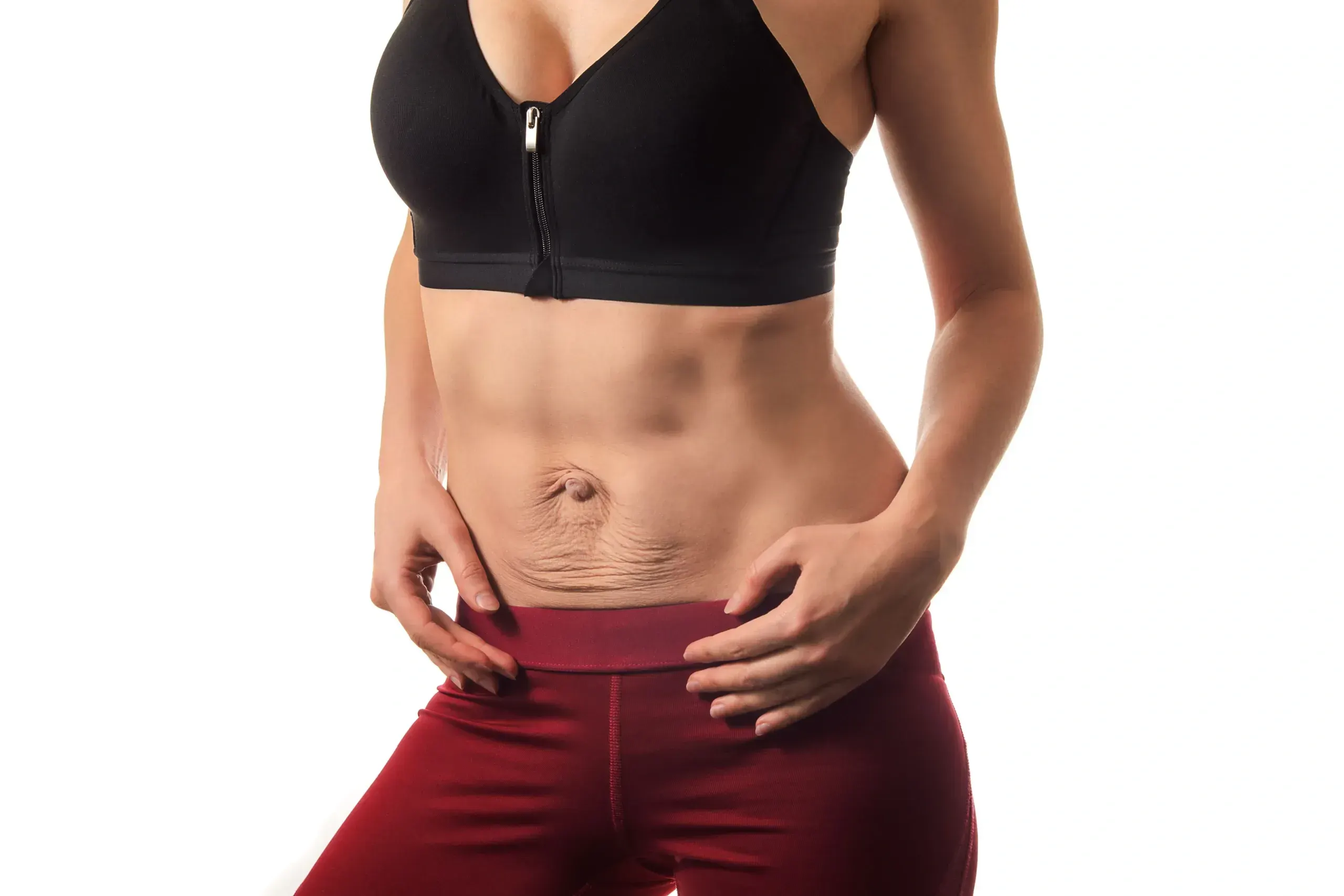
Diastasis recti is the separation of the two halves of the rectus abdominis muscle along the linea alba, the connective tissue running down the middle of your abdomen. It is most common during and after pregnancy, but adults of any gender can develop it from chronic intra-abdominal pressure or improper core activation. According to the National Library of Medicine's MedlinePlus, most postpartum cases resolve within 8 weeks, yet a large subset of women retain a persistent gap and a soft belly bulge that crunches cannot flatten.
At ProActive Chiropractic and Wellness Center in Tampa, Dr. Jamie Brimm offers Emsculpt Neo for diastasis recti repair, a non-surgical alternative for mild to moderate cases. Emsculpt Neo combines HIFEM (high-intensity focused electromagnetic) energy with synchronized radiofrequency heating to force 20,000 supramaximal contractions per session, rebuilding the rectus abdominis.
Pressure, stretching, and connective tissue change
The linea alba is a thin band of collagen-rich fascia that keeps the left and right rectus abdominis muscles centered. During pregnancy, the growing uterus stretches this fascia laterally while relaxin softens it. In roughly one third of mothers the tissue remains thinned and over-stretched, leaving a visible separation. Improper core loading, chronic constipation, and heavy lifting with breath holding can all reopen or worsen the gap.
Recovery is rarely about more crunches: traditional sit-ups can push the gap wider. Effective non-surgical repair re-engages the deep transverse abdominis and the rectus abdominis through neuromuscular retraining, which is exactly what Emsculpt Neo does at a level the central nervous system cannot reach voluntarily. Many Tampa patients also benefit from chiropractic adjustment to support pelvic and spinal alignment during core recovery, since a misaligned pelvis biases the abdominal wall and slows healing.

Timing, contraindications, and what to expect
Emsculpt Neo is intended for mild to moderate diastasis recti, generally a gap of 2 to 3 finger widths. Severe gaps over 4 to 5 finger widths, hernias, or significant skin redundancy may still require surgical referral. Postpartum mothers should wait at least 4 to 6 weeks after a vaginal delivery and 6 to 8 weeks after a cesarean section, with a clear release from the obstetrician. Active pregnancy is an absolute contraindication.
BTL clinical research, available through the Body by BTL evidence library, reports an average 19 percent improvement in diastasis recti separation after a standard course of four 30 minute sessions. At ProActive we pair Emsculpt Neo with movement coaching and, when relevant, pelvic alignment so the gains hold. See our broader wellness treatments at ProActive.

Non-surgical, integrated, and personalized
How our wellness services support core repair
| Treatment | Best For | Session Time | Results Timeline | Maintenance |
|---|---|---|---|---|
| Emsculpt Neo | Rebuilding the rectus abdominis and reducing the midline gap | 30 minutes | Initial change after 2 to 4 sessions, peak at 3 months | Quarterly tune-up sessions |
| Chiropractic Adjustment with ProAdjuster | Pelvic and lumbar alignment that supports midline closure | 15 to 20 minutes | Many patients feel improvement within 2 to 4 visits | Every 4 to 8 weeks as needed |
| Emtone | Skin tightening and stretch mark improvement after weight or pregnancy changes | 20 to 30 minutes | Visible texture change after 3 to 4 sessions | Maintenance every 6 to 12 months |

Common patterns our Tampa patients describe
Explore the chiropractic and wellness services at ProActive that complement your care.
Diastasis recti is the separation of the two halves of the rectus abdominis along the linea alba, the connective tissue running down the center of your abdomen. It is most common during and after pregnancy. The hallmark sign is a soft midline bulge or doming when you sit up or strain.
For mild to moderate cases, yes. BTL clinical studies show Emsculpt Neo can produce up to 19 percent improvement in diastasis recti, making it a non-surgical alternative to abdominoplasty. Severe gaps or hernias may still require surgical referral after Dr. Brimm's evaluation.
Pregnancy is the leading cause: the growing uterus and the hormone relaxin stretch and soften the linea alba. Multiple pregnancies, age-related collagen decline, significant weight changes, and chronic intra-abdominal pressure can all contribute or worsen the gap.
A standard Emsculpt Neo course is four 30 minute sessions spaced 5 to 10 days apart over 2 to 3 weeks. Many patients notice change by the second or third session, with peak results around 3 months. Some add 1 to 2 maintenance sessions per year.
Chiropractic care does not directly close the midline gap, but pelvic and lumbar alignment supports postpartum core recovery. A misaligned pelvis biases the abdominal wall and slows healing. Dr. Brimm often pairs Emsculpt Neo with gentle ProAdjuster care.
Minimum 4 to 6 weeks after a vaginal delivery and 6 to 8 weeks after a cesarean section, with written release from your obstetrician. Active pregnancy is an absolute contraindication. Dr. Brimm reviews your delivery history and OB clearance before scheduling.